

Dual Diagnosis Program for Teens
Substance abuse and mental health treatment for teens
Teens are in a stage of rapid brain development. As a result, the effects of drugs, alcohol, and other addictive behaviors can cause more long-term damage and a higher chance of addiction later in life. Getting help early is key to protecting a teen’s brain and giving them a better, healthier future. Insight Into Action Therapy is here to support you and your teen in the process of recovery.
Teen substance use, excessive gaming, and screen time
By the time parents call us, things usually aren’t “just a phase” anymore. Grades are slipping, mood is all over the place, you are finding evidence of vaping, alcohol, or drugs, and your teenager is either angry, shut down, or both. You may be seeing gaming, gambling, online behavior that looks less like normal use and more like escape or compulsion.
The Dual Diagnosis Recovery Program© for adolescents (DDRP) at Insight Into Action Therapy is built for exactly this. The DDRP was designed and overseen by Insight co-founders Cyndi Turner, LCSW, LSATP, MAC and Craig James, LCSW, LSATP, MAC. It is an outpatient program that treats mental health conditions and substance use or addictive behaviors together.. Teens remain at home, stay in school, and work within a highly structured clinical framework that involves the family from the start.
What “dual diagnosis” means for teens
Dual diagnosis refers to teens dealing with both mental health issues and substance use or other addictive behaviors. That can include:
- Alcohol, marijuana, vaping, prescription misuse, or other drug use
- Process addictions such as gaming, gambling, shoplifting, or pornography
- Co-occurring conditions like depression, anxiety, ADHD, mood instability, or trauma
Most families see pieces of the picture first: mood swings, lying, missing assignments, new peers, money disappearing, devices locked down. The program is designed to pull those pieces into a clear clinical picture and a concrete plan.
Program structure at a glance
The adolescent Dual Diagnosis Recovery Program (DDRP) is a full outpatient track. It includes:
- Comprehensive evaluation of mental health and substance use / addictive behaviors
- Weekly group treatment for teens, 90 minutes in length
- Individual therapy to address each teen’s specific needs
- Family sessions to review progress and identify strategies for challenging teens
- Random drug and alcohol screening to support accountability and validate progress
Interventions are age specific, so adolescents are not treated as “small adults.” The structure allows teens to live at home, continue school, and participate in activities while receiving targeted care.
How treatment works for teens
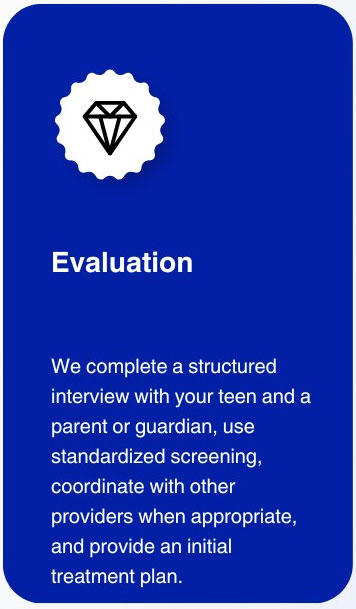
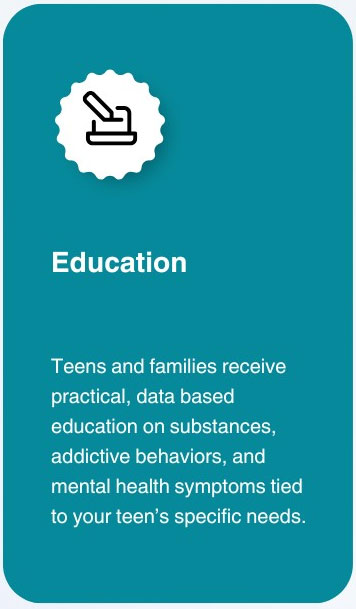
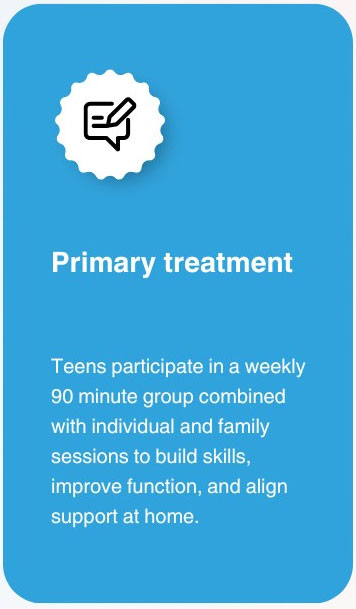
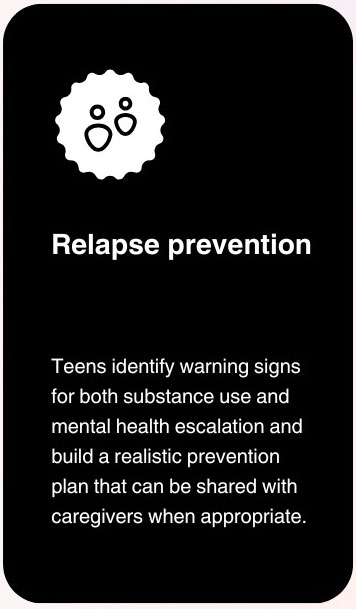
The program follows a phase model grounded in best practices for co-occurring disorders. While your teen will not experience this as “levels,” the work moves through several core steps:
Phases of Treatment for Teens

You Need Now!

What parents can expect
During the first month, your adolescent’s therapist develops an individualized treatment plan with input from you and, when appropriate, other professionals. Progress is reviewed monthly with you to track how your child is doing in four key areas: recovery, physical and mental health, school, and home / primary support.
Parents are expected to:
- Stay in active communication with the therapist about concerns and progress
- Participate in family sessions as scheduled
- Follow through on agreed structure at home around electronics, money, curfews, and peers
- Use drug and alcohol screening tools when recommended and trained to do so
The program is designed to work with the family system. Outcomes are consistently better when parents are involved, informed, and predictable.
Why families choose the adolescent DDRP
Parents choose the Dual Diagnosis Recovery Program © because expertise matters. The DDRP was designed by Insight’s co-founders who are nationally recognized experts in the field with over 60 years of combined experience. For almost three decades, families of Northern Virginia have trusted Cyndi and Craig because they see their kids and family get healthier.
If your teenager is struggling with both emotional issues and risky behaviors, you don’t need to manage this alone or guess which problem to address first.
Contact our office to schedule a dual diagnosis evaluation for your teen and start a coordinated plan that addresses the full picture.